Belsize Park Removals in Belsize Park

We provide Belsize Park removals for households and businesses that need a careful, organised move carried out with clear planning and practical handling. The work can cover everything from a few bulky items to a full property move, with the aim of keeping possessions protected and the day structured from the first lift to the final placement. If you are comparing options, it helps to think about what needs moving, how fragile it is, and how much packing or dismantling will be needed.
Our removals service can be shaped around flats, terraced homes, period properties and workplace relocations, so the approach stays flexible without becoming vague. We can help with loading, transport, unloading and selected packing tasks, and we keep the focus on sensible handling rather than unnecessary complexity. If you already know the type of move you need, you can start by outlining the key items and access details, then ask for a quotation based on the actual job.
For a straightforward start, the main thing is to match the service to the move itself. Some customers need a simple van-and-loader arrangement for a small number of items, while others need a fuller removals plan with packing materials, protective wrapping and careful scheduling. The most useful quote requests are specific: note the property type, the number of rooms, any heavy items, and whether stairs or limited access are involved. That gives a clearer picture of the work involved and helps us prepare a sensible estimate.
House removals planned around the move you actually need
House removals are rarely just about transport. They usually involve a sequence of tasks that need to happen in the right order: preparation, lifting, loading, carrying, transit and unloading. A well-planned move reduces the risk of damage and avoids unnecessary delays. We handle the practical parts with care, keeping the process straightforward for customers who want a dependable way to move furniture, boxes, appliances and personal belongings.
When a property move includes larger furniture or awkward items, it is worth thinking about how they will pass through hallways, stairwells and doorways before the moving day. That is where sensible wrapping, protective handling and good stacking make a difference. For many moves, the work is best approached as a combination of transport and careful logistics rather than a simple pick-up and drop-off. If that sounds like the right fit, it is a good time to request a quote and outline the basics.
How we approach domestic moving work
Domestic removals work best when the plan is built around the contents, not around assumptions. A smaller move may only need help with loading and transport, while a fuller house removal may require packing support, dismantling or coordination of several rooms at once. We can discuss the main items first, then shape the job around what needs careful handling. That keeps the service practical and avoids unnecessary extras that do not suit the move.
Packing and unpacking support for safer handling

Packing is a key part of many removals, especially when fragile items, books, ornaments, kitchen contents or mixed household belongings are involved. Our packing and unpacking services are designed to support the move rather than replace it, so customers can choose help where it matters most. Good packing is not only about boxes; it is also about sensible grouping, cushioning, labelling and making sure heavier contents are handled in a way that suits the journey.
Some customers prefer to pack most of the home themselves and ask for help with the more awkward or breakable items. Others want a more complete packing arrangement so the day moves faster and the contents are ready for loading in a logical order. Either approach can work well. If you are deciding how much support you need, consider the items that are difficult to wrap, the time available before moving day and whether unpacking help would make settling in easier.
- Fragile household items can be grouped and wrapped with more care.
- Boxes can be labelled to make unloading and room placement simpler.
- Special attention can be given to heavy, awkward or high-value pieces.
- Unpacking support can help reduce the work once items arrive.
Office removals with a practical business focus
Office removals need a different rhythm from domestic moves because workspaces usually contain desks, filing, IT equipment, storage units and items that must be moved without disrupting the whole operation. We handle office relocation services and office removals in a way that stays organised and task-focused. That means thinking about access, item sequencing and what needs to be moved first so the transition can be managed with less confusion.
A business move often benefits from clear grouping before the move begins. Equipment can be separated from furniture, sensitive paperwork can be handled carefully and items for different rooms or teams can be marked for easier placement later. The practical aim is to keep the removal structured, with the transport element working alongside the moving plan. If you need to compare options for a workplace move, ask for a quotation based on the contents and access.
We can also support moves where the job is smaller than a full office relocation but still needs careful attention, such as shifting a few rooms, moving stock between sites or transporting selected items. That kind of move can still benefit from the same careful handling, especially where equipment or furniture has to be carried through shared spaces or tight access points. The key is to match the service to the business need instead of overcomplicating it.
Services that help the move run in order
Different removals often need different levels of support, and it is useful to separate the options before the day arrives. Some customers only need transport, while others want help with packing, heavier furniture, or loading at a difficult property. A clear plan saves time and makes the move feel less reactive. It also helps to know which parts of the job are essential and which are optional, so the quotation reflects the real workload rather than a broad estimate.
Our service range includes house removals, office removals, packing support and man and van removals, which can suit smaller or more flexible jobs. These services overlap in some ways but they are not identical, and the right choice depends on how much help you need with handling and transport. If the move is limited to a few pieces, a lighter arrangement may be enough. If the contents are extensive, a fuller removals service is usually the better fit. Use the service that matches the contents, not just the vehicle.
Choosing between full removals and lighter transport
A full removals service is often suitable when furniture, boxes and household items all need to move together in a coordinated way. A lighter transport option may suit a smaller collection of items, a partial move or a straightforward delivery. The difference is not only about scale; it is also about the amount of care, loading time and planning required. Clear information at the enquiry stage makes it easier to identify the most practical setup.
Man and van removals for smaller or simpler jobs

Man and van removals can work well when the move is smaller, the access is manageable and the contents do not justify a larger setup. This kind of service is often chosen for partial household moves, single-room clearances, furniture transport or mixed items that need reliable collection and delivery. It is a practical option when the job still requires careful handling, but not a full-scale removal team and vehicle arrangement.
The benefit of this approach is that it remains flexible without becoming improvised. A smaller removals job still needs proper lifting, secure loading and thought about how the items will be arranged in transit. That is especially true for heavier furniture or delicate items that should not be stacked carelessly. If you are unsure whether a lighter service suits your move, it is sensible to list the pieces involved and then decide whether the job is best handled as transport with help or as a fuller removal.
Useful enquiries usually mention item type, collection and delivery points, and any features that may affect access such as flights of stairs or parking limits. This lets the moving plan stay realistic from the outset. It also means the service can be matched to the real job rather than to a generic description. For a move that is too important to leave to guesswork, it is worth taking a few minutes to request a quotation.
Furniture handling, pick-up and careful loading
Furniture pick-up is a useful part of removals work when individual pieces need to be collected, transported or repositioned without moving an entire property. Large wardrobes, beds, sofas, cabinets and tables all benefit from deliberate handling, especially where their size or weight makes them awkward to move through tight spaces. We can manage furniture pick-up as part of a bigger move or as a stand-alone task where transport is the main requirement.
Loading furniture is not simply a matter of fitting it into a vehicle. It needs to be arranged so the pieces remain stable and are not pressed against each other in a way that risks scratches or damage. Where appropriate, items can be protected before moving and stacked in a sensible order. This is one reason why accurate job details matter: the shape, size and finish of the items all affect how they should be prepared and carried.
For customers who are comparing service types, furniture pick-up can sit between a full removal and a simple courier-style collection. It is more involved than a basic delivery because the handling matters, but it is more focused than a whole-house move. That makes it a practical choice when the job is specific and the main concern is getting the furniture moved properly. Tell us what the item is and where it needs to go, then ask for a price based on that.
Vehicles, transport and the right fit for the job
Choosing the right moving vehicle is part of making a removals job efficient. A moving van, removal van, moving truck or removal truck hire arrangement may suit different sizes of job depending on the amount of furniture, the packing method and the access at each end. The vehicle itself is only one part of the service, but it has a direct effect on how loading is organised and how many trips may be needed. That is why the right fit matters.
Some moves are better served by a compact arrangement, especially if access is tight or the volume is modest. Others need a larger vehicle so the contents can be loaded in a more efficient sequence. The aim is not to use the biggest option available, but the one that suits the actual job. If you are not sure which route fits your move, it helps to describe the main items and any access constraints. Then the vehicle choice can be aligned with the removal plan.
Transport choices also affect how much preparation is needed before collection. Well-packed items and clearly separated furniture make it easier to use space effectively, while bulky or unusually shaped pieces may require more room and more protective handling. The more clearly the move is described in advance, the easier it becomes to keep the loading process orderly and the quotation accurate.
About Belsize Park
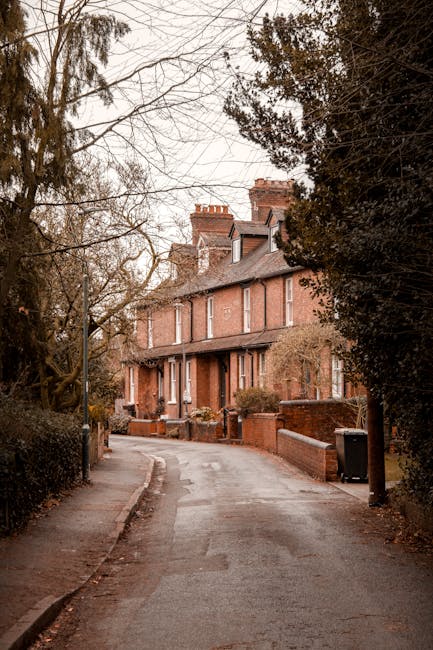
Belsize Park is a residential district in north-west London, usually associated with the London Borough of Camden and the wider Hampstead area. Its character is shaped by a mix of Victorian and Edwardian streets, later apartment buildings and a strong sense of the hill-top landscape that sits above parts of neighbouring Kilburn, Swiss Cottage and Hampstead. The area takes its name from Belsize House, a country residence that stood in the district in earlier centuries, and the surrounding neighbourhood developed steadily as London expanded northwards. Today, the local streets combine terraces, mansion blocks and smaller mews-type lanes, giving the district a varied architectural texture rather than a single uniform style. The name Belsize Park is also used for the Underground station on the Northern line, which helps anchor the area in everyday London geography. Nearby Hampstead Heath remains one of the best-known open spaces in north London and is closely connected to the district’s identity, while Parliament Hill offers long views across the city on clear days. Belsize Village, an established local enclave, adds a smaller-scale centre with shops and cafés, and the surrounding roads create a patchwork of quiet residential corners and busier routes. The area’s built environment reflects repeated phases of growth and adaptation, from older houses and conversion flats to more recent redevelopment and infill. As a result, Belsize Park reads as a settled urban neighbourhood with a layered history, distinctive local streets and close links to some of the most recognisable parts of north-west London.
What helps a removals quotation stay accurate

Accurate quotations depend on practical information rather than general estimates. The most helpful details are the size of the property or job, the number of rooms involved, any large furniture or appliances, and whether packing support is needed. Access matters too: stairs, lift use, narrow halls, limited parking or difficult entry points can all affect how the move is carried out. When these details are clear, the service can be planned more precisely and priced more sensibly.
It also helps to note whether the move involves only transport or whether it needs loading, unloading, dismantling or packing support. A simple item collection and a fuller removals job may both look similar at first glance, but the work involved can be very different. That is why a useful enquiry gives enough context to understand the scale and handling requirements. If you are gathering the details now, keep them in one place and use them to ask for a quotation.
To make the process simpler, customers often prepare a short summary before contacting us. That summary does not need to be lengthy; it only needs to be specific enough to show what is being moved and how the access works. A clear list helps reduce back-and-forth and makes it easier to compare options fairly. For many removals jobs, that is the best way to begin.
Extra support where it is useful

Some removals need support beyond transport alone, especially when the contents include a mixture of furniture, boxed items and fragile belongings. In those cases, helpful additions such as packing, unpacking or a more carefully organised loading plan can make the move smoother. These supports are most useful when they are chosen for a reason rather than added automatically, because the best removals plan is usually the one that fits the contents and the access rather than the one with the most features.
There are also situations where customers only need a modest amount of assistance to complete the move safely. A small number of heavy items, for example, may benefit from careful handling even if the rest of the contents are straightforward. Likewise, some jobs work better when the loading order is planned so that the right items come off the vehicle first. Practical choices like these can reduce confusion and help the day stay manageable from start to finish.
If you are ready to move forward, the next step is simple: tell us what needs moving, which services you want and where the collection and delivery points are. We can then shape the removals work around the job rather than around assumptions. Ask for your quotation today and use the details you already have to get started.